Sustainable Development Governance - Your guide to an international career
Imagine sitting in the European Parliament in three years’ time...
and explaining to the members of parliament why the economy, innovation and sustainability go hand in hand.
This module shows you how the game really works.
Understanding Clean Transitions
Wie wird aus einem politischen Ziel eine echte wirtschaftliche Transformation? In diesem Modul lernst du, wie Clean Transitions tatsächlich funktionieren – von der Industriestrategie bis zur EU-Gesetzgebung. Komplett auf Englisch, komplett online, mit international anerkanntem Studienleistungsnachweis.
How do you manage a clean transition without losing competitiveness? Industries are being rebuilt, energy systems redesigned, and entire economies repositioned around that very question. This module gives you the analytical toolkit to understand that process from the inside — how transformation strategies are designed, how climate considerations shape industrial policy, and how the resulting decisions are negotiated and implemented at EU level.
This is not a module about ideals. It is a module about mechanisms: green growth strategies, circular economy models, energy policy, and the political processes — including lobbying — that turn strategy into law. Taught entirely in English and delivered fully online, the module is accessible from anywhere in the world.
Fact Sheet
ECTS credits | 8 |
Language of instruction | English |
Format | Fully online — accessible from Nuertingen, Geislingen and anywhere |
Structure | 2 lectures + 1 online learning module with seminar |
Teaching format | Interactive lecture, inverted classroom, guest lectures |
Examination | Written exam, 90 minutes |
Target group | Bachelor's and Master's students of all disciplines (HfWU cross-programme module), incoming students |
Frequency | Every semester |
Module Structure
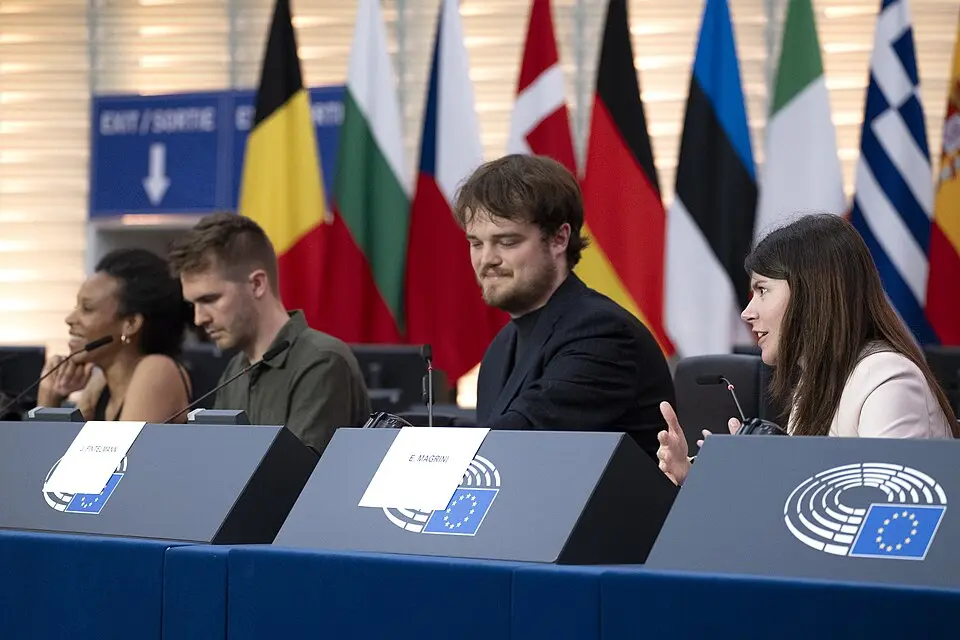
1. Understanding Clean Transitions (lecture)
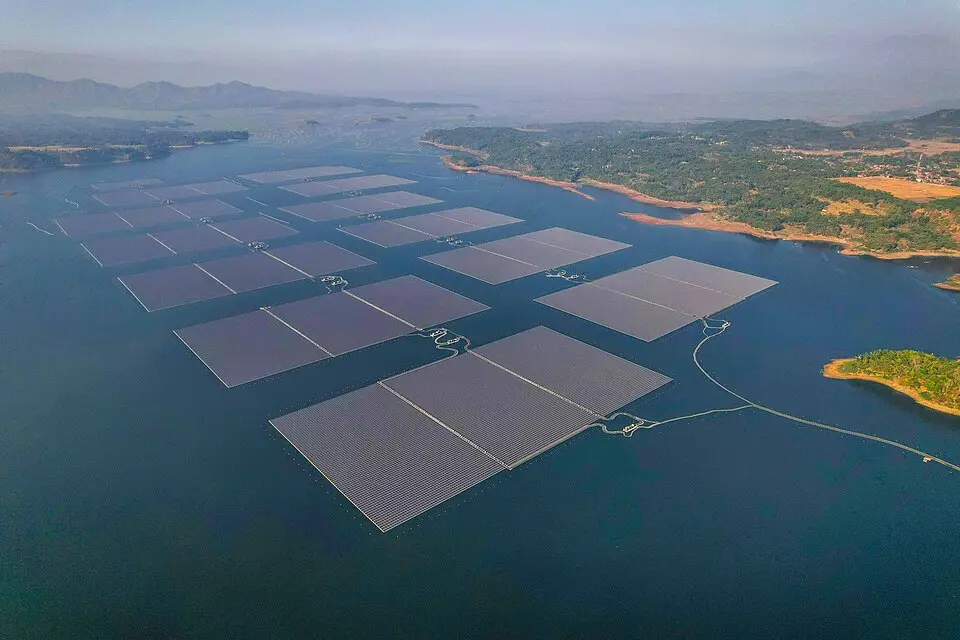
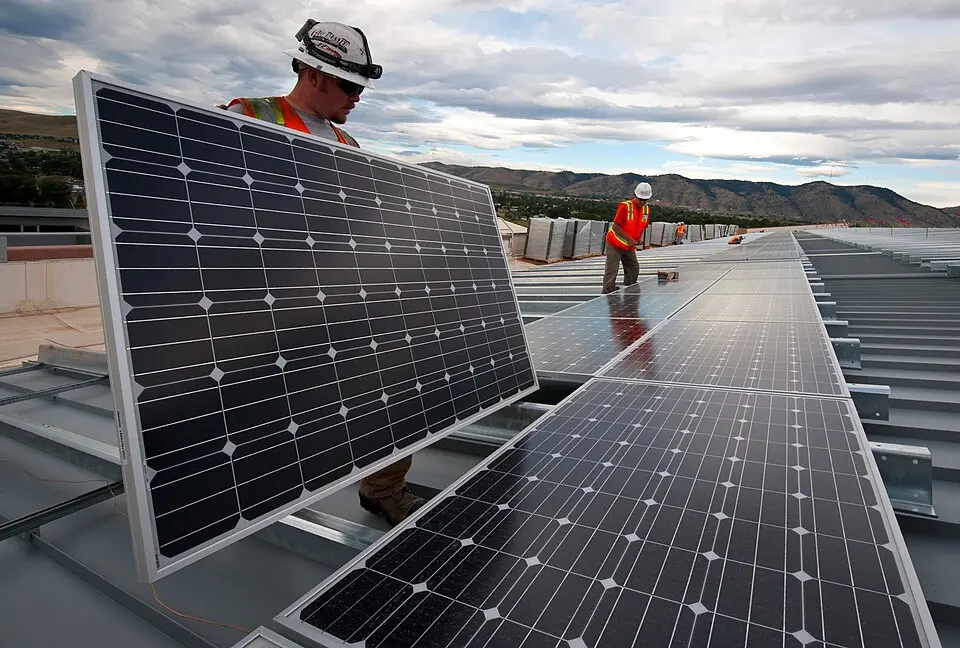
The core of the module: how do economies and industries actually transition toward sustainability without losing competitive ground? This lecture introduces the strategic and economic logic behind transformation processes:
- Green growth and transformation management
- Clean transitions in the European Union
- Clean energy: comparing transition pathways
- Industrial policy and the circular economy
2. Climate Change Policies (online learning module and seminar)
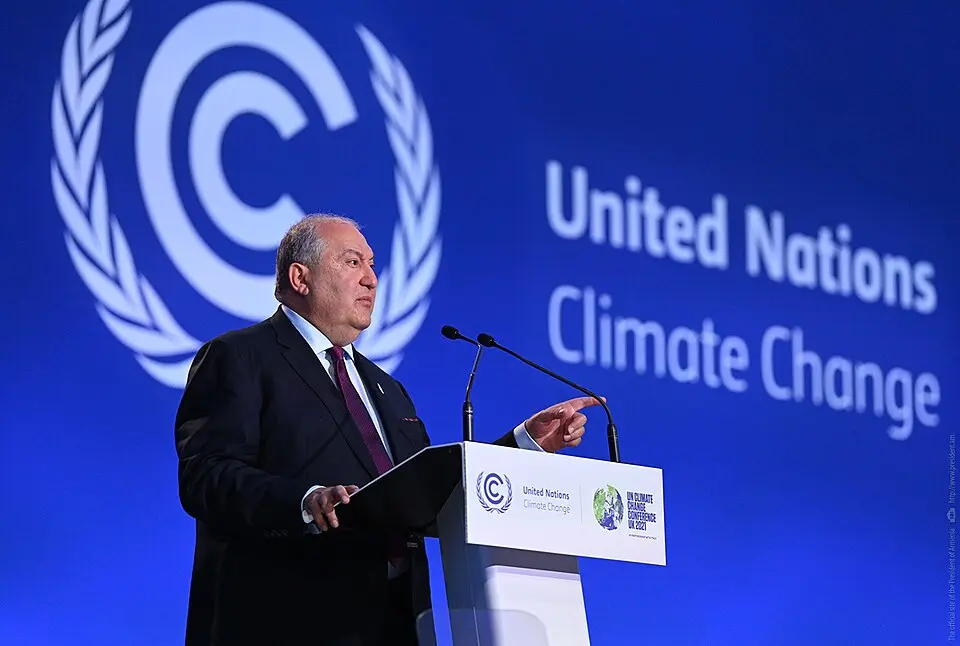
Clean transitions don't happen in a vacuum — they respond to a defined international policy framework. This self-paced online module, deepened through seminar discussion, gives you that framework:
- Fundamentals of climate change
- International climate policy: from Kyoto to Paris and beyond
- Understanding climate negotiations: who is at the table, and what strategies do they use?
- European mitigation and adaptation policy
- Current developments in climate policy
3. European Policymaking (lecture)
Strategy becomes law somewhere — and in Europe, that somewhere is Brussels. This lecture shows you how decisions are actually made and how they can be influenced:
- Lobbying at EU level
- EU institutions and their role in the political process
- Political decision-making processes and how to engage with them
For German students
English is a concern? Don't worry, we will onboard you and make sure that you feel comfortable. Interactions with your fellow students will allow yourself to gain confidence in speaking - and have fun with it.
Globally, non-native English speakers heavily outnumber native speakers. Recent estimates indicate there are roughly 390 million native English speakers compared to 1.14 billion non-native speakers. This means non-native speakers account for about 75% of the total English-speaking population, outnumbering native speakers by a ratio of roughly 3 to 1. You are not alone.
For incoming students & study abroad coordinators
This module is explicitly designed with incoming students in mind and sits anchored within Economic Policy, International Affairs, and European Studies. You will engage with industrial transformation strategy, EU institutions, international climate negotiations, and lobbying mechanisms — content that typically transfers well to comparable modules at your home university (8 ECTS credits). As the entire module is taught in English, it is fully accessible regardless of German language skills.
You will also be working alongside an international cohort: discussing European transformation policy not only with German students, but with peers from around the world — a perspective no textbook can fully replicate.
Interactive. Online. Global.
Both lectures and self-learning sessions are delivered online, so you can join from wherever you are — whether that's campus or home. At the same time, the module is deliberately designed to be interactive: in the inverted classroom format, you prepare independently so that live sessions are reserved for discussion, case studies, and direct exchange with lecturers and guest speakers from policy and industry.
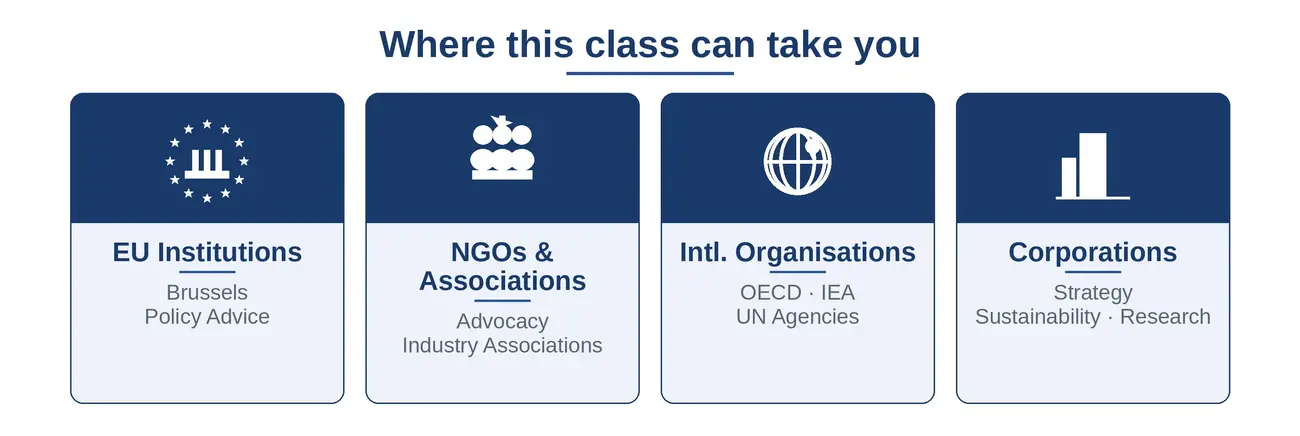
Where this module can take you
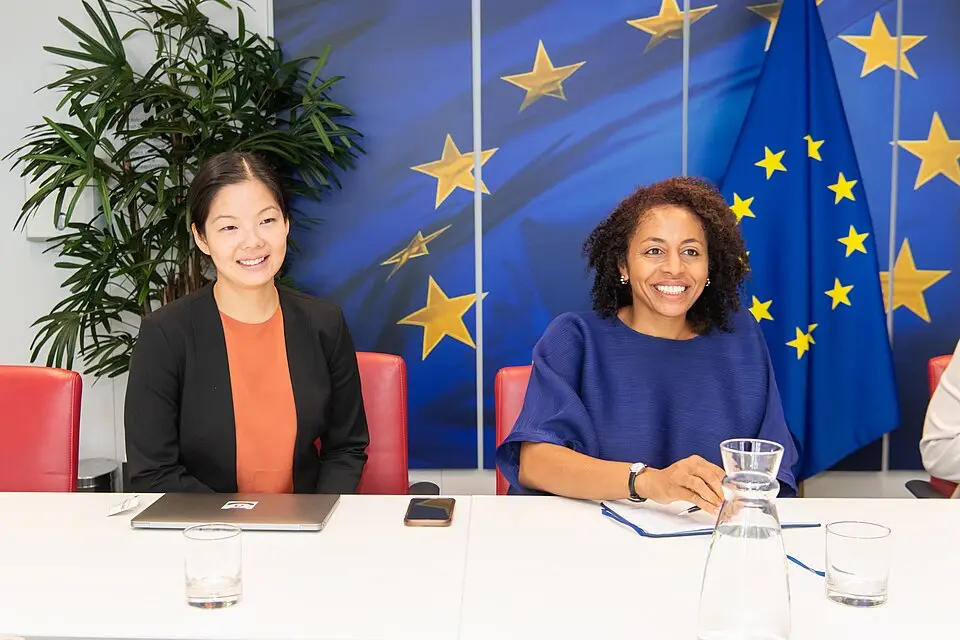
Understanding Clean Transitions opens the door to a career field that quietly shapes how Europe — and the world — does business. Graduates with this profile are sought after as:
- Policy and advocacy professionals for NGOs and industry associations at EU level
- Strategists in industry and trade associations with a European focus
- Staff at international organisations such as the OECD, IEA, or EU institutions
- Analysts and strategists in the sustainability and strategy departments of major corporations
Understanding how transitions are managed — economically and politically — means being equipped to shape them, whether in Brussels, in industry, or within your own organisation.
Module Responsibility
Prof. Dr. Marc Ringel
Elective module within the Future Management programme; module taught in English.