RECON - Fostering Systemic Societal Transformation for Biodiversity Conservation through Nature Reconnection

Connection to nature is increasingly seen as essential for societal transformation toward biodiversity protection. In alignment with the Kunming-Montreal Global Biodiversity Framework, this project underscores the combined impact of nature exposure and connectedness in fostering transformative societal change for biodiversity protection and restoration. Through the Societal Transformation Laboratory for Nature Reconnection Advocacy (STLNRA), we aim to drive transformational outcomes in socioecological systems across three pilot Central European regions: the urban functional areas (UFAs) of Warsaw (Poland), Vienna (Austria), and Stuttgart (Germany). Our objective is to produce actionable insights to support a sustainable strategy for nature exposure and connectedness, as well as an integrated landscape management framework.
To achieve this, project RECON outlines three scientific goals:
- Conceptualize nature reconnection advocacy and analyse human-environment systems within UFAs;
- Develop the STLNRA methodology; and
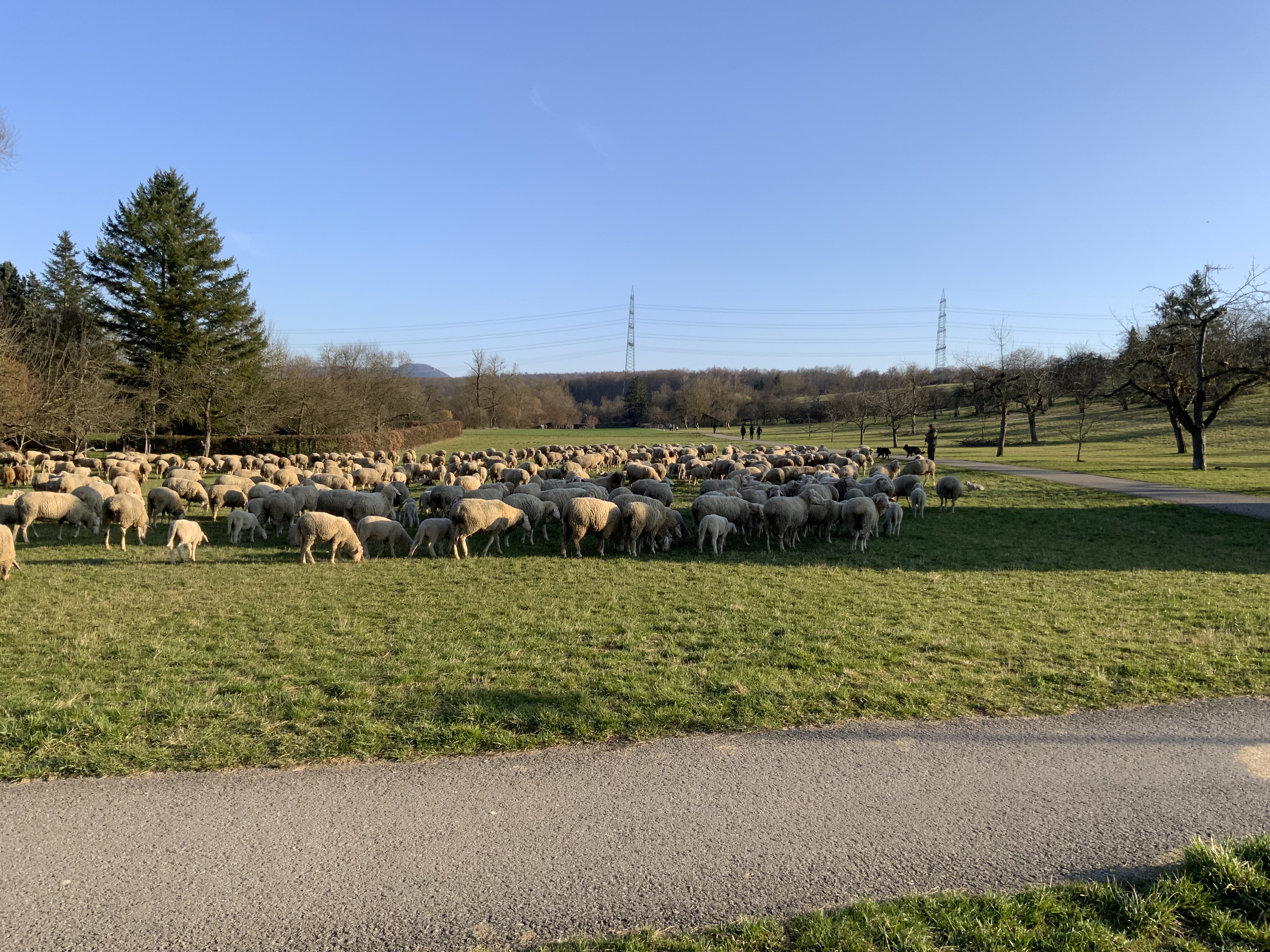
- Test and evaluate the STLNRA in selected case studies. In this context, Nürtingen-Geislingen University will focus on the Tiefenbach Valley as a focus area.
These goals aim to understand the system, design the transformative process, and pilot transformational changes toward nature-positive outcomes in a specific socio-geographic context. Using a systemic, multi-method approach within a case study framework, RECON combines advanced socio-empirical methods (e.g., online surveys and participatory mapping for UFA residents. ethnographic methods like interviews, observations, and multisensory and visual ethnography), participatory research approaches, such as Participatory Action Research and Regenerative Design and geospatial techniques.
RECON involves an international, interdisciplinary consortium that brings together expertise in landscape and urban planning, resource management, sociology, ethnography, and global transition research. By actively engaging local and regional stakeholders, RECON aims to enhance science-policy dialogue at all levels. Citizen Science initiatives will further promote public involvement and trust in scientific evidence, crucial for catalysing systemic transformations toward biodiversity protection. Considering nature as a critical actor in the transformation process toward sustainable practices, RECON explores the interconnection between human and non-human well-being as a tool to foster transformative action toward a more sustainable society.
Project Partners
- Department of Spatial Planning and Environmental Sciences, Faculty of Geodesy and Cartography, Warsaw University of Technology, Warsaw, Poland
- Institute of Ethnology and Cultural Anthropology, University of Warsaw, Warsaw, Poland
- Department of Geomatics, Forest Research Institute, Sękocin Stary, Poland
- Department of Landscape, Spatial and Infrastructure Sciences, Institute of Landscape Development, Recreation and Conservation Planning, University of Natural Resources and Life Sciences Vienna, Vienna, Austria
- Hochschule für Wirtschaft und Umwelt Nürtingen-Geislingen, Intstitut für Angewandte Forschung, Germany
- Wegener Center for Climate and Global Change, University of Graz, Graz, Austria
- Stichting: LE:NOTRE Institute, Wageningen, The Netherlands
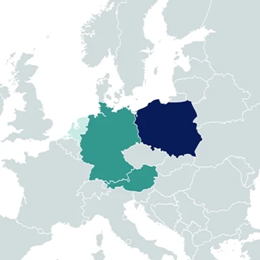
Project Countries
Germany, Poland, Austria
Project Areas
Stuttgart (DE), Warsaw (PL), Vienna (AT)
More project details:
| Project Manager: | Dr.-Ing. Ellen Fetzer |
| Project Team Member: | M.Eng. Shashank Yadav |
| Project Duration: | 01.02.2026-31.01.2029 |
| Project Funding: | Funded by the Deutsche Forschungsgemeinschaft (DFG, German Research Foundation) – 570081945 |